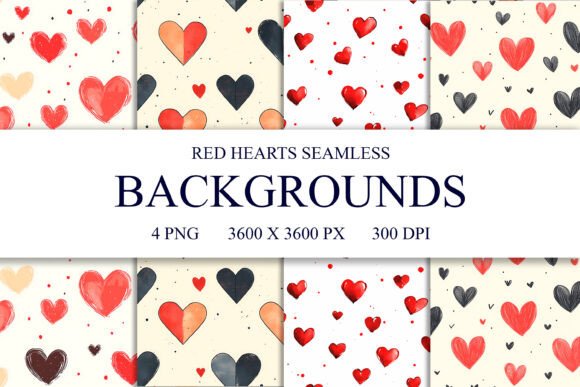
Heart Shape Polka Dots Patterns Dark Red
In the realm of visual communication, few design elements possess the immediate emotional resonance and structural versatility of Heart Shape Polka Dots Patterns Dark Red. This specific aesthetic combines two distinct graphical traditions: the playful, rhythmic repetition of polka dots and the universal symbol of affection represented by the heart. When rendered in a deep, rich red, the result is a pattern that is simultaneously bold enough to command attention and intimate enough to convey warmth. For designers, marketers, and creative entrepreneurs, this is not merely a decorative choice but a strategic asset capable of elevating everything from digital interfaces to tangible print products.
The relevance of this pattern stems from its ability to bridge the gap between nostalgia and modern minimalism. While polka dots have been a staple in fashion and graphic design for decades, the integration of heart motifs within that structure creates a nuanced texture. It avoids the cliché of overt romance often associated with Valentine’s Day imagery by grounding the sentiment in geometric precision. This balance makes it applicable far beyond seasonal marketing campaigns, allowing for year-round use in branding, interior design concepts, and editorial layouts where a touch of personality is required without overwhelming the viewer.
The Evolution of Pattern Usage in Digital and Physical Media
Historically, patterns were largely reserved for textile printing or background wallpapers, serving as static fillers. However, contemporary design workflows have shifted significantly. Today, surfaces are expected to be dynamic, textured, and highly editable. The demand for Heart shape polka dots patterns dark red backgrounds reflects a broader industry move toward customizable assets that can adapt to multiple platforms seamlessly. Whether a freelancer is designing a book cover for an indie publisher or a business owner is creating wrapping paper for a boutique gift shop, the need for high-fidelity, adaptable graphics has never been greater.
This shift is driven by consumer expectations for authenticity and quality. Users today can distinguish between low-resolution raster images and crisp, scalable vector graphics. A pattern that relies on pixels will blur when scaled up for large-format printing, such as fabric rolls or wall murals. In contrast, vector-based designs maintain their integrity regardless of size. This technical distinction is crucial for professionals who require consistency across various media types, ensuring that a design looks equally sharp on a mobile screen as it does on a physical greeting card.
Technical Advantages of Vector-Based Design Assets
When sourcing design elements, the format and editability of the file are just as important as the visual appeal. The availability of these patterns in Adobe Illustrator CC, EPS Version 10, and PDF formats offers significant practical benefits. These formats ensure that every element—from the smallest dot to the largest heart—is fully editable. This level of control allows creators to tailor the design to specific brand guidelines or project requirements without starting from scratch.
For instance, a marketer might want to adjust the color palette to match a company’s corporate identity while retaining the underlying structure of the pattern. With fully editable shapes and colors, this process is straightforward. There is no need for complex tracing or rebuilding the graphic. Furthermore, the organization of the layers in well-structured files saves valuable time during the production phase. For busy professionals, efficiency is key; having a resource that is "well organized" means less frustration and faster turnaround times for client projects.
Resolution and Print Readiness
One of the most critical aspects of professional design is resolution. Standard web images often operate at 72 dpi, which is insufficient for print materials. The specification of high resolutions 300 dpi ensures that the Heart Shape Polka Dots Patterns Dark Red is ready for commercial printing. This density prevents pixelation and ensures smooth gradients and sharp edges, which are essential for high-quality outputs like fabric prints, glossy brochures, and premium packaging. Understanding this requirement helps users avoid costly reprints and ensures that the final product meets industry standards for clarity and detail.
Diverse Applications Across Industries
The versatility of this pattern allows it to serve a wide array of industries. Below are several practical applications where this design asset adds value:
- Valentine’s Day Greeting Cards: While the holiday itself is seasonal, the design approach can be adapted for anniversaries, weddings, and romantic gestures throughout the year. The dark red hue provides a sophisticated alternative to bright pink, appealing to adult demographics seeking elegance over whimsy.
- Web Pages and UI Design: Background textures can enhance user experience by adding depth to landing pages. Using this pattern as a subtle backdrop for text or call-to-action buttons can draw attention without distracting from the primary content. The inclusion of copy space in the design allows developers to integrate text cleanly.
- Fabric Printing and Textiles: For fashion designers and home decor enthusiasts, vector patterns are ideal for repeating seamlessly on fabric. The dark red colorway works particularly well for autumn/winter collections or formal wear accessories, offering a timeless look that transcends fleeting trends.
- Book Covers and Publishing: Authors and publishers can use these patterns to create distinctive covers. The geometric nature of the polka dots suggests order and creativity, making it suitable for self-help books, romance novels, or artistic portfolios.
- Wrapping Papers and Gift Packaging: In an era where unboxing experiences matter, custom wrapping paper can elevate a gift. The no-watermark, clean vector files allow businesses to produce branded packaging that looks professional and cohesive.
Strategic Considerations for Creators and Businesses
Integrating Heart Shape Polka Dots Patterns Dark Red into a design strategy requires more than just dropping the image onto a canvas. It involves understanding context and audience. For example, in a corporate environment, this pattern might be too informal if used in large quantities. However, as an accent element—such as in email signatures, social media headers, or presentation slide backgrounds—it can inject personality into otherwise sterile communications.
Furthermore, the lack of watermarks is a significant advantage for commercial use. Professionals often face legal hurdles when using stock imagery that carries restrictive licenses or visible branding. A clean, watermark-free file simplifies the licensing process and protects the creator’s intellectual property rights. This freedom encourages experimentation, allowing designers to test different variations of the pattern before committing to a final layout.
Adapting to Changing Consumer Preferences
Consumer preferences are increasingly leaning towards designs that feel personal yet polished. Mass-produced, generic patterns are losing their impact. Instead, there is a growing appreciation for assets that can be customized to tell a unique story. The editability of vector graphics supports this trend by enabling micro-customizations. A small change in the spacing of the dots or the shade of red can completely alter the mood of the design, allowing for a tailored approach that resonates more deeply with target audiences.
Additionally, the sustainability aspect of digital-first design cannot be overlooked. By utilizing high-quality digital assets that can be reused and modified, creators reduce waste associated with trial-and-error printing. This aligns with the values of environmentally conscious consumers and businesses alike, adding another layer of relevance to the adoption of versatile, high-resolution design resources.
Conclusion
The Heart Shape Polka Dots Patterns Dark Red represents a convergence of aesthetic appeal and technical utility. It is a tool that respects the designer’s need for flexibility while meeting the market’s demand for high-quality, emotionally engaging visuals. Whether used for material wallpaper, festive greetings, or everyday branding, its adaptability makes it a valuable addition to any creative toolkit. By leveraging the power of vector graphics and high-resolution formats, professionals can create designs that are not only visually striking but also efficient to produce and easy to scale. As the digital and physical worlds continue to merge, having access to such robust design assets will remain a competitive advantage for those looking to stand out in a crowded marketplace.