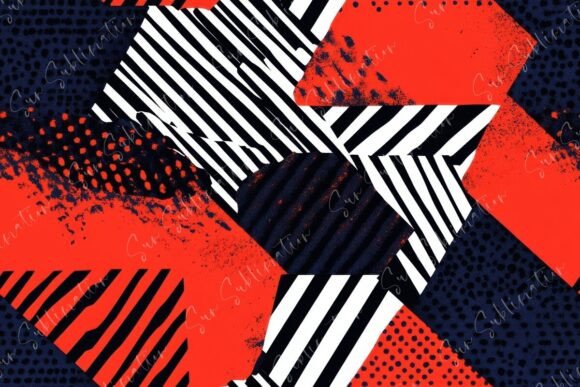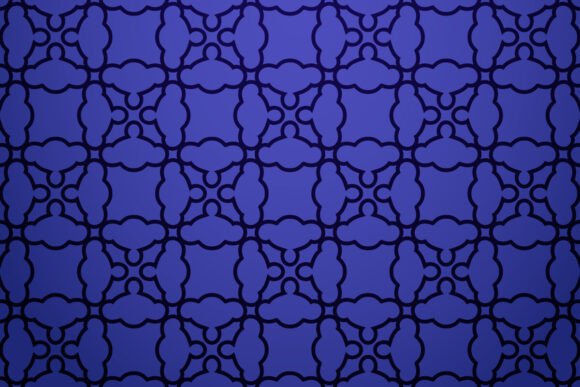
Geometrical Seamless Patterns Dark Blue: A Strategic Asset for Professional Design and Branding
In the landscape of visual communication, few elements are as foundational yet versatile as a well-executed seamless pattern. Specifically, Geometrical Seamless Patterns Dark Blue offers more than just aesthetic appeal; it provides a structural backbone for design systems that require consistency, professionalism, and visual depth. For entrepreneurs, marketers, educators, and creative professionals, understanding how to leverage this specific design element can significantly enhance product quality, brand cohesion, and operational efficiency.
This is not merely about selecting a background color. It is about integrating a high-resolution, vector-based asset into your workflow in a way that supports long-term goals. Whether you are designing knitted fabric textures, creating birthday invitation covers, or developing templates for book covers, the strategic application of dark blue geometric patterns can elevate your output from standard to sophisticated. The key lies in recognizing the technical advantages—such as 300 dpi resolution and full editability—and applying them with clear intent.
The Strategic Value of Vector-Based Geometric Design
Before diving into specific use cases, it is essential to understand why the format and nature of these assets matter. The description highlights that all graphics are 100% vector fully editable. This is a critical distinction for decision-makers who prioritize scalability and future-proofing. Unlike raster images that pixelate when enlarged, vector graphics maintain their crispness at any size. This means a pattern designed for a small business card can be seamlessly scaled up for a large-format wrap paper without losing integrity.
The availability in multiple formats—Adobe Illustrator CC, EPS Version 10, and PDF—ensures compatibility across various stages of production. For freelancers and agencies, this reduces friction in handoffs between designers and printers. You are not locked into a single software ecosystem. Furthermore, the fact that shapes and colors are editable allows for rapid customization. If a client’s brand guidelines shift slightly, or if you need to adapt a pattern for a seasonal campaign, the ability to tweak individual elements saves time and resources.
- Scalability: Ensure designs look sharp on both mobile screens and billboards.
- Customization: Adjust colors to match specific brand palettes without starting from scratch.
- Efficiency: Use pre-organized layers to speed up the design process.
Applications in Textile and Physical Product Design
One of the most tangible applications of Geometrical Seamless Patterns Dark Blue is in the textile industry. Knitted fabrics often rely on texture and repetition to create visual interest. A dark blue geometric pattern can mimic the complexity of woven threads while offering a modern, structured look. For small business owners in the fashion or home decor sector, using such patterns can differentiate products in a crowded market.
When designing for textiles, consider the psychological impact of dark blue. It is often associated with trust, stability, and intelligence. By combining this color psychology with geometric precision, you create a product that feels both reliable and contemporary. This is particularly effective for corporate merchandise, professional uniforms, or high-end home textiles where understated elegance is preferred over loud prints.
Beyond fabric, these patterns are ideal for wraps paper and book covers. In the publishing industry, a textured background adds tactile depth to a digital or physical cover. For educators and publishers creating workbooks or educational materials, a clean geometric pattern provides a non-distracting backdrop that keeps the focus on content while maintaining visual engagement. The "copy space" inherent in many of these designs allows text to sit cleanly on top, ensuring readability—a crucial factor in user experience design.
Digital Assets and Marketing Materials
In the digital realm, Geometrical Seamless Patterns Dark Blue serves as an excellent foundation for web backgrounds, social media templates, and email headers. Marketers often struggle with maintaining brand consistency across diverse platforms. A seamless pattern acts as a unifying thread. Because the file includes no watermark and is ready for immediate use, teams can deploy these assets quickly during fast-moving campaigns.
Consider the creation of birthday invitation covers or event branding. Here, the goal is often to evoke celebration while maintaining sophistication. Dark blue offers a mature alternative to primary colors, appealing to adult audiences aged 20–50 who may prefer elegant invitations over playful ones. The geometric structure adds a sense of order and celebration, making it suitable for milestone events, corporate parties, or formal gatherings.
For bloggers and content creators, these patterns can be used as header images or section dividers. They break up text-heavy pages and guide the reader’s eye through the content. The high resolution (300 dpi) ensures that even when viewed on high-density displays, the image remains crisp, reinforcing the credibility of the publication.
Planning and Implementation Strategy
To get the most out of these assets, a strategic approach to implementation is necessary. Randomly applying a pattern can lead to visual clutter. Instead, integrate it with a clear hierarchy. Start by defining the purpose of the design. Is it meant to support the text, or is it the focal point? If it is supportive, reduce its opacity or choose a lighter variation of the blue. If it is the focal point, ensure sufficient contrast for any overlaid elements.
Use the editable features to align the pattern with your existing brand identity. If your brand uses a specific shade of blue, utilize the vector editing capabilities to adjust the hue until it matches perfectly. This attention to detail signals professionalism and care. Additionally, organize your files logically. Since the source files are well-organized, maintain that structure in your own workflow. Name your layers clearly, group related elements, and save versions as you iterate. This discipline pays off when you need to make updates months or years later.
Another consideration is the context of use. Not every audience responds to geometric patterns in the same way. While they convey structure and modernity, they can also feel cold or rigid if not balanced with warmer elements. Test your designs with a sample audience before finalizing large-scale productions. Gather feedback on whether the pattern enhances the message or distracts from it. This iterative process is central to achieving better results.
Risks and Mitigation
While powerful, there are risks associated with relying heavily on pre-made patterns. The primary risk is homogeny. If too many competitors use similar dark blue geometric templates, your brand may lose its distinctiveness. To mitigate this, always customize the pattern. Change the scale, rotate the orientation, or combine it with other textures. Make it yours.
Another risk is technical mismatch. Ensure that the resolution and color mode (CMYK for print, RGB for digital) are appropriate for the final output. Although the file is 300 dpi, which is standard for print, you must verify that your printer accepts the specific vector format provided. Miscommunication here can lead to costly reprints. Always proofread and check proofs before committing to mass production.
Finally, avoid overuse. A pattern should complement, not overwhelm. In digital design, excessive background noise can reduce accessibility for users with visual impairments. Ensure that text contrast meets WCAG guidelines. This not only broadens your audience but also demonstrates ethical design practices.
Long-Term Value and Decision Making
Investing in high-quality, editable vector assets like Geometrical Seamless Patterns Dark Blue is a decision that supports long-term value. Rather than constantly searching for new graphics, building a library of customizable, proven elements streamlines your creative process. It allows you to focus on strategy and messaging rather than technical execution.
For educators and trainers, these patterns can be used to create consistent slide decks and handouts, reinforcing learning through visual continuity. For freelancers, having a go-to set of premium assets can justify higher rates, as you offer polished, professional deliverables. For small business owners, it enables a cohesive brand presence across all touchpoints, from packaging to digital ads.
Ultimately, the value lies in intentionality. Do not use these patterns because they are available; use them because they solve a specific design problem. Whether it is adding texture to a flat layout, providing a professional backdrop for text, or creating a memorable visual identity, let the asset serve your goals. By approaching design with this level of strategic thought, you transform simple graphics into powerful tools for communication and growth.
If you have questions about integrating these assets into your specific workflow, feel free to ask. Understanding the nuances of vector editing and pattern scaling will empower you to make better decisions and achieve superior outcomes in your creative projects.