10 Seamless Strawberry Patterns JPEG: Integrating Digital Assets into Creative Workflows
In the modern digital content ecosystem, efficiency and aesthetic consistency are paramount. Whether you are a small business owner launching a new product line, a graphic designer assembling a brand identity, or a hobbyist curating a scrapbook, the quality of your foundational assets dictates the professionalism of your final output. This is where 10 Seamless Strawberry Patterns JPEG enters the workflow as a strategic resource. These are not merely decorative images; they are high-resolution, tileable textures designed to integrate seamlessly into larger compositions without visible seams or interruptions.
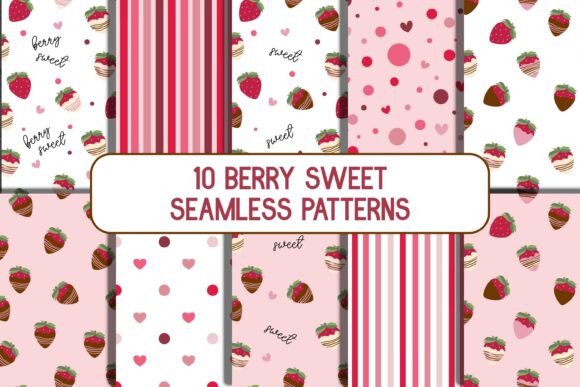
This collection features ten distinct digital papers, each showcasing strawberries dipped in chocolate against Valentine’s Day-inspired shades of pink. Created entirely by hand without the use of AI, these patterns offer a unique texture and organic feel that automated generators often struggle to replicate. For professionals seeking to streamline their design process while maintaining high-quality standards, understanding how to leverage these specific assets can significantly reduce production time and enhance visual appeal.
Understanding the Asset Specifications
Before integrating any digital asset into a professional workflow, it is critical to understand its technical specifications. The 10 Seamless Strawberry Patterns JPEG set is delivered as a single ZIP file containing ten individual JPEG files. Each pattern is rendered at a substantial resolution of 4000 pixels by 4000 pixels. This dimension is crucial for several reasons:
- Print Quality: At 300 DPI (dots per inch), a 4000x4000 pixel image supports large-format printing, such as posters, banners, or fabric prints, without pixelation or loss of detail.
- Digital Scalability: For screen-based applications, such as website backgrounds, mobile wallpapers, or social media graphics, this resolution ensures crisp rendering on high-density displays (Retina screens, 4K monitors).
- Editing Flexibility: The high resolution allows designers to crop, zoom, or manipulate sections of the pattern without degrading the overall image quality.
It is important to note that these are seamless patterns. This means the edges of the image are designed to align perfectly when tiled. When used correctly in design software like Adobe Photoshop, Illustrator, or even Canva, the pattern will repeat infinitely without showing hard lines or breaks, creating a continuous surface texture.
Integration into Commercial Product Design
One of the primary use cases for these digital papers is in Print-on-Demand (POD) businesses and e-commerce. Entrepreneurs looking to launch merchandise during the Valentine’s Day season or year-round for strawberry-themed niches can utilize these patterns to create cohesive product lines. Because the license permits commercial use, these assets can be applied directly to products such as:
- Apparel: T-shirts, tote bags, and aprons featuring all-over prints.
- Stationery: Notebooks, planners, stickers, and greeting cards.
- Home Decor: Cushion covers, wrapping paper, and wall art.
- Digital Products: Backgrounds for websites, email newsletters, and online course materials.
The workflow advantage here is speed. Instead of commissioning custom illustrations or spending hours designing vector repeats from scratch, creators can download the JPEGs, import them into their design templates, and apply them to mockups immediately. This accelerates the time-to-market for seasonal collections, allowing businesses to respond quickly to trends.
Workflow Optimization for Graphic Designers
For graphic designers, the challenge often lies in maintaining consistency across multiple projects. Using a pre-made, high-quality seamless pattern ensures that the background elements do not distract from the primary focal point of the design. Here is how these patterns fit into a typical design workflow:
Preparation and Organization
Upon downloading the ZIP file, the first step is organization. Extract the ten JPEG files into a dedicated folder within your asset management system. Tag them with metadata such as "strawberry," "chocolate," "pink," "valentine," and "seamless" to facilitate easy searching later. Since the patterns were created manually, each one likely has subtle variations in the placement of the strawberries and the shading of the chocolate. Reviewing each file individually helps you select the right pattern for the specific mood of the project.
Implementation in Design Software
When placing these patterns into your workspace, avoid simply stretching the image to fit the canvas, as this can distort the aspect ratio and break the seamless nature of the design. Instead, use the "Pattern Fill" or "Clip Path" functions available in most design tools. This allows the pattern to tile naturally based on its inherent dimensions. If you need to adjust the scale, do so uniformly to maintain the integrity of the strawberry and chocolate shapes.
Color Management Considerations
A critical factor in professional implementation is color accuracy. The listing notes that colors may vary slightly depending on printer settings. In digital workflows, ensure your monitor is calibrated to sRGB standards to preview colors accurately. For print workflows, convert the JPEGs to CMYK mode before sending them to the press. Be aware that the vibrant pinks and deep browns of the chocolate-dipped strawberries may require profile adjustments to prevent muddiness in physical prints. Always order a proof copy before committing to a large batch production.
Applications for Educators and Hobbyists
The utility of these patterns extends beyond commercial ventures into educational and personal creative spaces. Educators designing classroom materials, worksheets, or bulletin board decorations can use these patterns to create an engaging, thematic environment. The Valentine’s Day theme is particularly relevant for February lesson plans, but the strawberry motif also works well for spring themes or general food-related units.
For hobbyists engaged in digital journaling or scrapbooking, these high-resolution JPEGs serve as excellent backgrounds. They provide a rich, textured base that elevates simple layouts. Because the patterns are seamless, users can create long vertical strips for digital journals or wrap-around designs for photo albums without worrying about awkward gaps. The manual creation process ensures that the strawberries have a hand-drawn charm that resonates more deeply with audiences than generic clip art.
Quality Control and Best Practices
To maximize the value of the 10 Seamless Strawberry Patterns JPEG set, adhere to the following best practices:
- Check Resolution Before Use: Verify that the 4000x4000 pixel dimensions meet the requirements of your target platform. For web use, you may downsize the image to reduce file load times, but keep the original high-res version for future print needs.
- Layering Techniques: To add depth, layer the pattern over a solid color or a gradient. Adjusting the opacity or blending mode (such as Multiply or Overlay) can help the pattern integrate more naturally with other design elements.
- Consistency Across Branding: If using these patterns for a brand, select one or two dominant patterns and stick to them across all marketing materials. Consistency builds recognition, whereas mixing too many disparate patterns can clutter the visual message.
- Backup Your Assets: Since this is a digital download, ensure you have a secure backup of the ZIP file. Losing access to the source files can complicate future revisions or reprints.
Conclusion
The 10 Seamless Strawberry Patterns JPEG set represents a practical, high-quality solution for creatives looking to enhance their visual outputs without reinventing the wheel. By providing hand-crafted, high-resolution, and commercially licensed assets, this digital pack supports a wide range of workflows—from rapid POD prototyping to detailed editorial design. Understanding the technical specifications and implementing proper color management and organizational habits will allow users to extract maximum value from these assets. In a market driven by visual appeal and speed, having reliable, versatile resources like these is essential for maintaining a competitive edge.